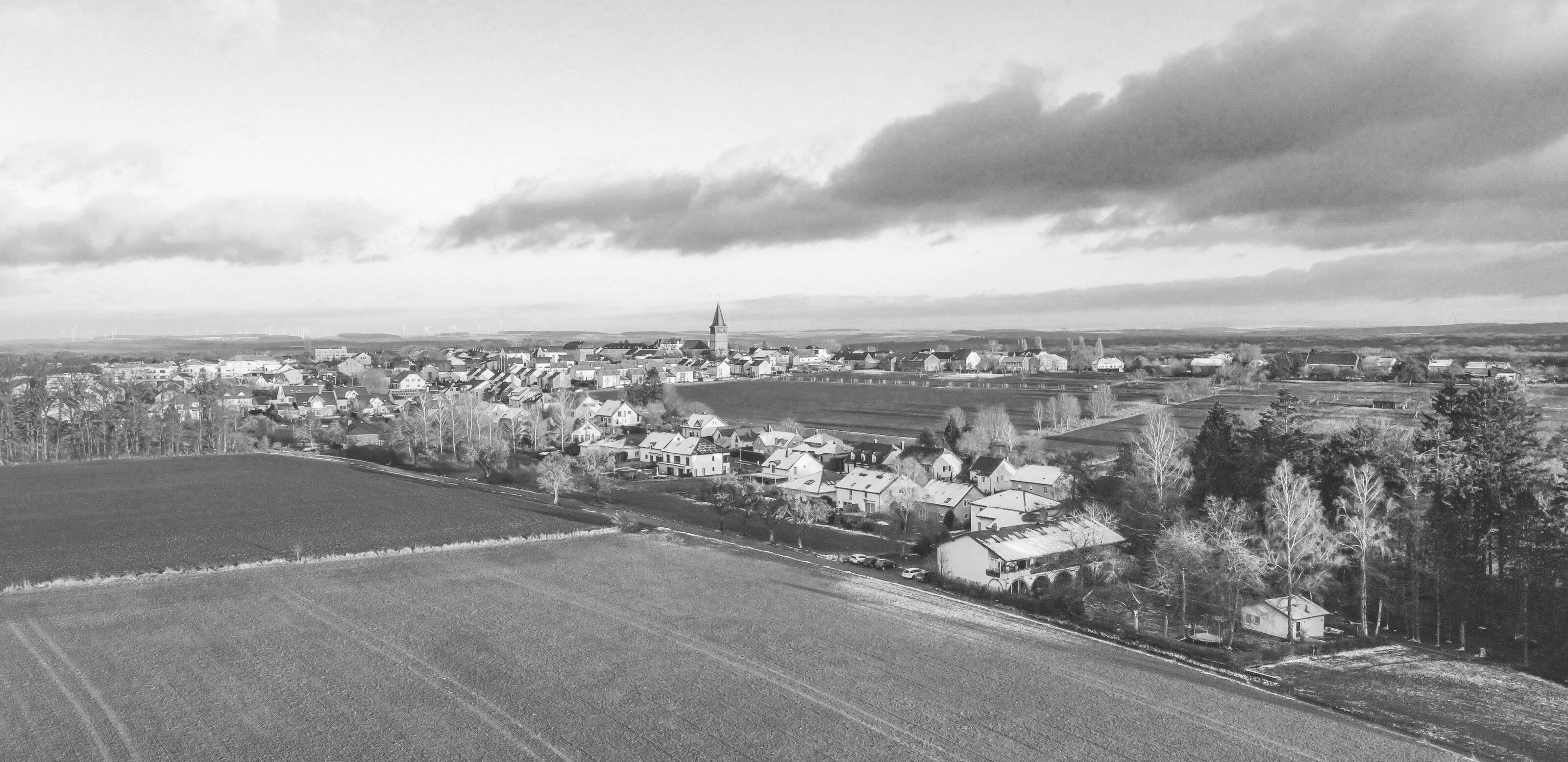
Urban density and territorial development in Luxembourg
3 min read
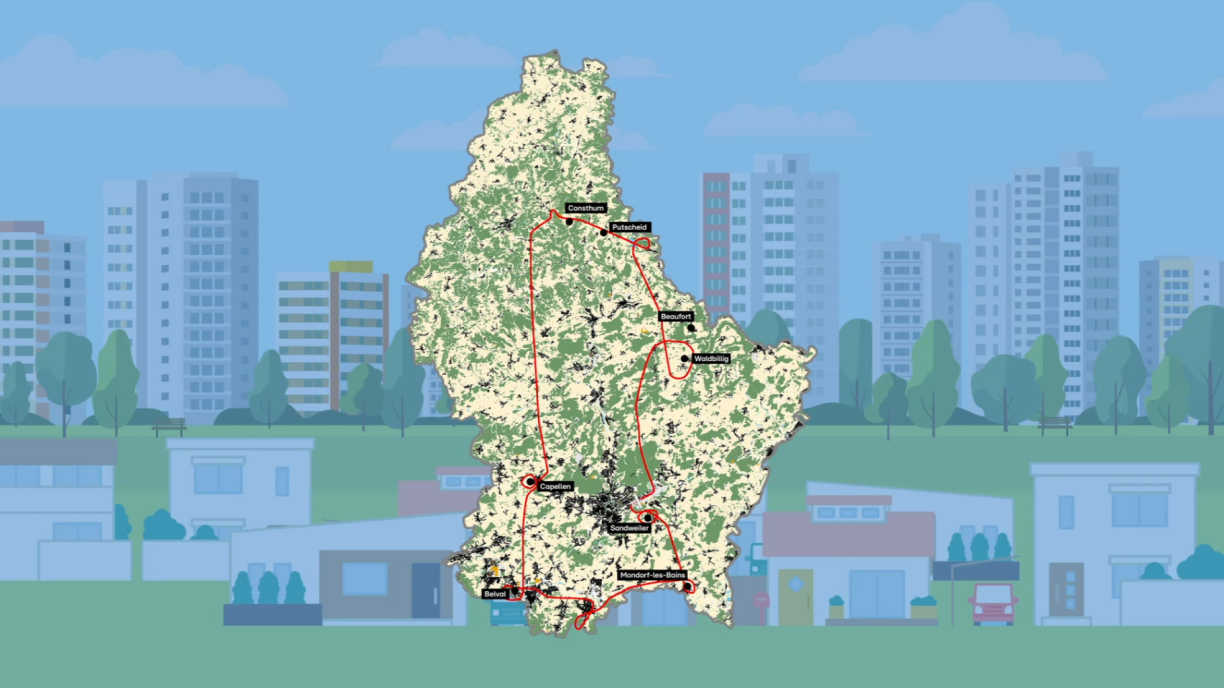
Metaform founder Shahram Agaajani took part in a discussion with RTL focusing on urban density in Luxembourg. Accompanied by social geography researcher Antoine Paccoud from LISER and pilot Vincent Barreau, he flew over the country to observe its territorial development from above and reflect on the possibilities of a denser approach.
The discussion starts from a simple observation: for several years, Luxembourg has been building fewer homes than the announced targets, while demand continues to increase. Against this backdrop, territorial development still largely relies on extending villages and neighbourhoods into agricultural and natural areas. This raises a straightforward question: why not build upwards and increase density in areas that are already urbanised?
Looking at the Territory as a Whole
Seen from above, the territory appears differently. The two experts discuss municipal fragmentation, the dispersal of built-up areas and the importance of privately owned land in urban development.
For Shahram, this organisation also raises a question about a collective vision for the territory. Developing individual plots can lead to a less coherent pattern of growth, while the need for housing, infrastructure and mobility concerns the territory as a whole.
The discussion also considers where new neighbourhoods are located. The example of Olm and the Elmen neighbourhood is used to illustrate the limitations of a model that continues to extend villages into open land, while some already urbanised areas still have development potential.
Increasing Density Without Opposing City and Landscape
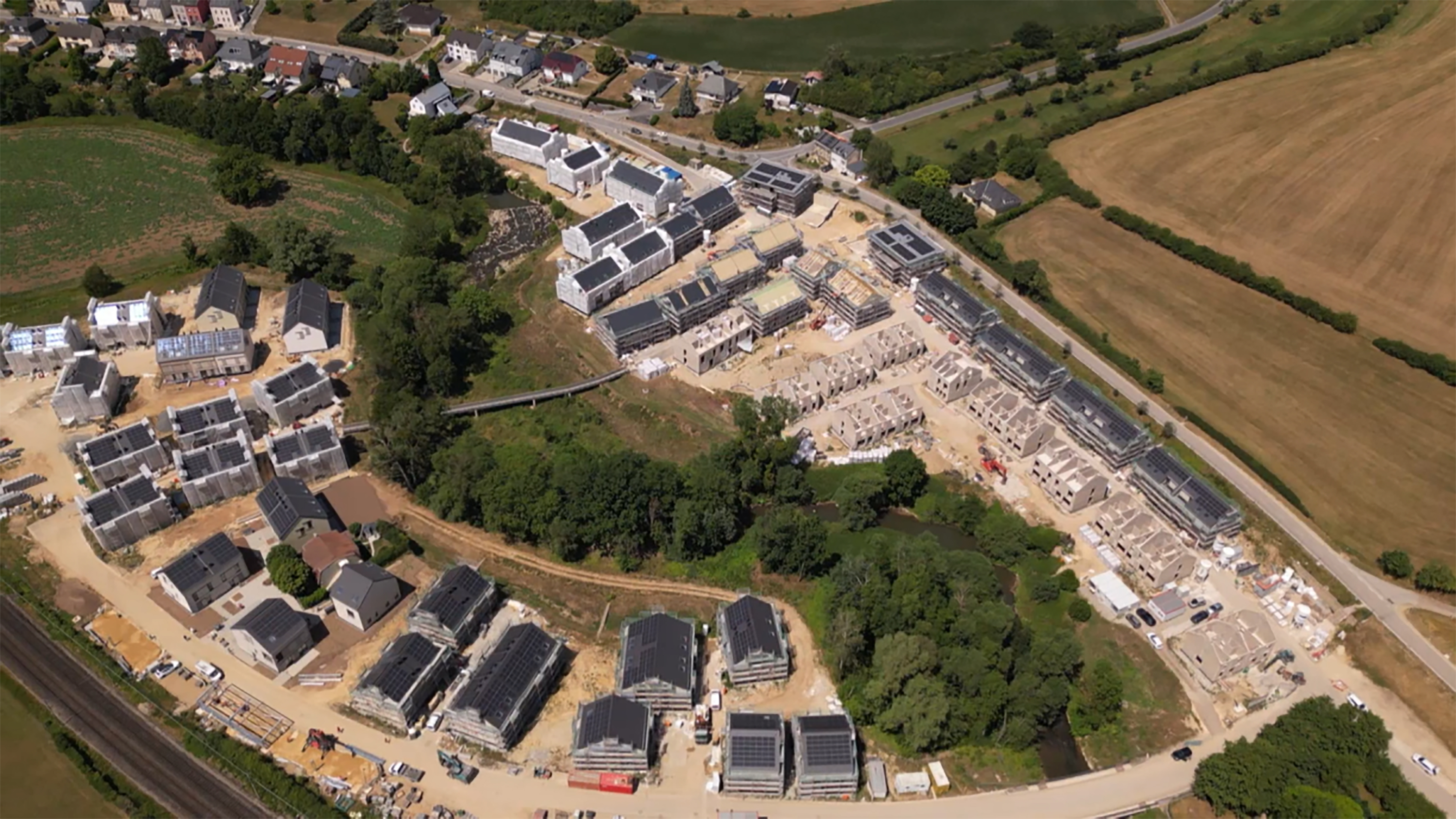
The flight over Belval offers another example. For the Metaform founder, the development of this neighbourhood is a success in terms of density and shows that it is possible to build on an already urbanised site rather than consume new land.
The former industrial site was reused to create a new neighbourhood. According to Shahram, this approach makes it possible to avoid systematically setting housing and landscape against each other. Other former industrial sites, particularly in Dudelange and Esch-Schifflange, are also mentioned as areas with development potential.
The question of density, however, is not limited to the number of homes. The development of new neighbourhoods also requires roads, networks, infrastructure and public investment. Increasing density can therefore also help make better use of existing infrastructure, provided development is considered at the scale of the wider territory.
Towards a New Way of Building the City
Ultimately, the discussion returns to the question of how Luxembourg wants to evolve. For Shahram Agaajani, density should not be seen solely as a constraint, but as an opportunity to create a more coherent city by building on existing infrastructure and already urbanised areas.
The discussion with RTL therefore opens up a broader reflection on the future of urban development in Luxembourg: how can the country respond to housing needs while limiting urban sprawl, preserving landscapes and continuing to develop its existing urban areas?
Read the full French article on RTL.
Watch the French report on RTL Play or directly below.
Cover Photo © Unsplash/Timothee Gidenne | Photos 2-3 © RTL | Photo 4 © Pexels/Ad Thiry